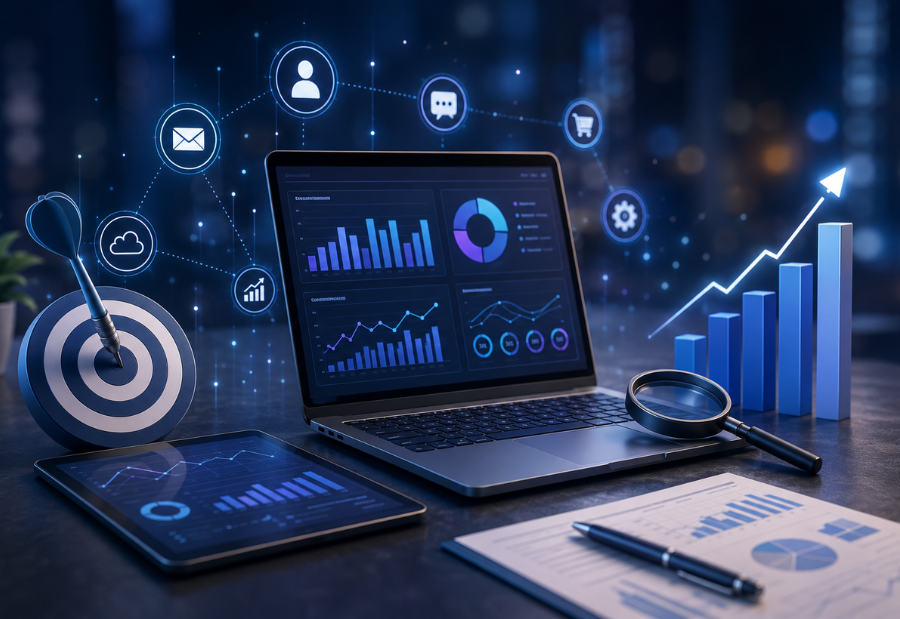
How data-driven marketing is shaping the future
Companies like Google, Amazon, Netflix, Spotify, and Apple have transformed modern marketing by leveraging data to understand consumer behavior, predict preferences, and deliver highly personalized experiences. These brands have demonstrated that data is no longer just a business asset—it is the foundation of smarter customer engagement and sustainable growth.
In today’s digital economy, marketing decisions are increasingly driven by insights rather than assumptions. Businesses now have access to vast amounts of customer data that can help them understand what consumers want, when they want it, and how they prefer to interact with brands.
The Shift From Intuition to Insights
Traditional marketing often relied on broad audience targeting and creative intuition. While creativity remains essential, data now provides marketers with the ability to make informed decisions based on real consumer behavior.
By analyzing customer interactions, browsing patterns, purchase history, and engagement metrics, businesses can identify trends, uncover opportunities, and create campaigns that resonate more effectively with their target audiences.
This shift enables brands to reduce marketing waste, improve campaign performance, and achieve better business outcomes.
Personalization at Scale
Modern consumers expect personalized experiences from every brand they engage with.
Data-driven marketing allows businesses to:
- Deliver relevant product recommendations
- Create personalized email campaigns
- Customize website experiences
- Improve customer service interactions
- Develop targeted advertising strategies
When consumers receive content that aligns with their interests and needs, engagement levels increase significantly. Personalization helps brands build stronger relationships while enhancing customer satisfaction.
Smarter Campaign Optimization
One of the biggest advantages of data-driven marketing is the ability to measure performance in real time.
Marketers can monitor:
- Website traffic
- Conversion rates
- Customer engagement
- Advertising effectiveness
- Audience behavior
These insights allow businesses to optimize campaigns continuously rather than waiting until the end of a campaign cycle.
Real-time optimization improves efficiency, increases return on investment, and helps organizations respond quickly to changing market conditions.
Building Stronger Customer Relationships
Data helps brands gain a deeper understanding of their customers beyond basic demographics.
Businesses can identify:
- Customer preferences
- Buying patterns
- Pain points
- Engagement habits
- Retention opportunities
By understanding these factors, marketers can create experiences that feel relevant, helpful, and valuable.
Strong customer relationships are built when brands consistently deliver meaningful interactions across every touchpoint.
The Role of Artificial Intelligence
Artificial Intelligence is accelerating the growth of data-driven marketing.
AI-powered tools help businesses:
- Predict customer behavior
- Automate marketing workflows
- Generate customer insights
- Improve audience segmentation
- Enhance content recommendations
- Optimize advertising spend
As AI capabilities continue to evolve, marketers will gain even greater ability to deliver personalized experiences while improving operational efficiency.
However, successful marketing still requires a balance between technology and human creativity. Data can guide decisions, but compelling storytelling remains essential for building emotional connections.
Ethical Use of Data Matters
As data becomes increasingly important, consumers are paying closer attention to privacy and transparency.
Organizations must ensure they:
- Protect customer information
- Follow data privacy regulations
- Maintain transparency in data collection
- Use customer insights responsibly
Trust is a critical component of data-driven marketing. Brands that prioritize ethical data practices are more likely to earn customer loyalty and long-term credibility.
The Future Is Data-First
The future of marketing will be defined by businesses that can effectively combine data, technology, and creativity.
Companies that embrace data-driven strategies will be better positioned to:
- Understand customer needs
- Deliver personalized experiences
- Improve marketing performance
- Build stronger relationships
- Drive sustainable growth
Data-driven marketing is no longer a competitive advantage—it is becoming a necessity for brands looking to thrive in an increasingly digital and customer-centric world.
As technology continues to evolve, the brands that turn data into meaningful customer experiences will lead the future of marketing.
About The Author
