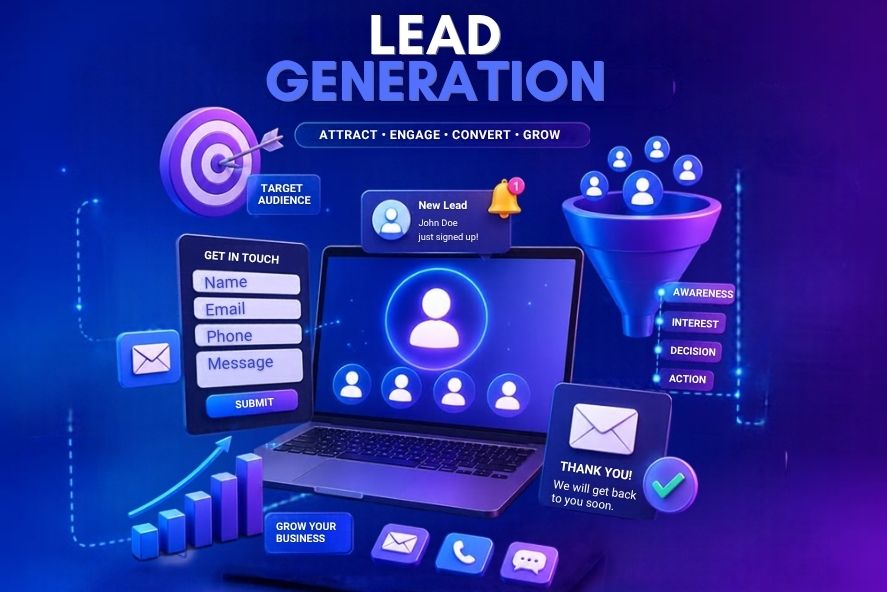
How Can Businesses Improve Lead Generation From Industry Events?
Industry events give businesses opportunities to meet potential customers, understand market needs, and build professional relationships. Platforms and marketing tools from companies like Eventbrite and HubSpot support different parts of event planning and audience engagement. Mercadeo helps businesses strengthen B2B event lead generation through targeted marketing campaigns, event promotion, and structured follow-up.
Why is lead generation from industry events important?
Industry events include conferences, trade shows, business summits, exhibitions, and professional networking sessions. These events bring together people who may share business interests, challenges, or purchasing needs.
However, attending an event does not automatically generate valuable leads. Businesses need a clear plan to attract the right audience, start relevant conversations, collect useful information, and maintain contact after the event.
A structured approach helps turn event participation into potential sales opportunities rather than a list of names and contact details.
5 Ways to improve B2B event lead generation
1. Define the Target Audience Before the Event
Businesses should identify whom they want to meet before investing time and resources in an event. This includes understanding the target industries, company sizes, job roles, and business challenges that match their services.
For example, a B2B marketing company may prioritise marketing heads, demand generation managers, and sales leaders looking to improve lead quality.
Once the audience is defined, businesses can choose relevant events, develop focused messages, and plan meetings with suitable prospects. This makes event participation more purposeful and improves the chances of meaningful conversations.
2. Promote the Event With a Clear Message
Event promotion should explain why the intended audience should attend or meet the business. General promotional messages may attract attention, but specific benefits give people a stronger reason to engage.
Businesses can promote their participation through email campaigns, LinkedIn posts, company websites, partner communications, and relevant industry communities.
Content may include speaker announcements, discussion topics, practical insights, and details about what attendees can learn. If the business is hosting a session or exhibiting, clear calls to action can encourage registrations, meeting requests, or booth visits.
3. Use Meaningful Conversations to Qualify Leads
Collecting contact details is only the first step. Businesses need to understand whether an attendee has a relevant need, an active project, or a potential interest in their services.
During conversations, teams can ask questions about current challenges, business priorities, existing solutions, and expected timelines. These discussions help identify prospects who may benefit from further engagement.
Record relevant details with the prospect’s knowledge and follow applicable data protection requirements. Avoid treating every attendee as an immediate sales opportunity; some contacts may be more suitable for longer-term nurturing.
4. Follow Up Promptly After the Event
Post-event follow-up is a critical part of B2B event lead generation. If businesses wait too long to contact prospects, attendees may forget the conversation or move on to other priorities.
Organise contacts based on their interests and readiness to engage. A prospect who requested a consultation may need a direct response, while someone who attended a general session may benefit from relevant educational content.
Follow-up messages should refer to the event conversation where appropriate and provide a clear next step. Depending on the prospect’s needs, this could be a meeting, a case study, a service overview, or an invitation to another relevant session.
5. Measure Results Beyond Attendance
A well-attended event does not necessarily deliver strong business results. Businesses should measure whether event activities create relevant contacts and progress them towards sales opportunities.
Useful metrics include:
- Qualified leads: Contacts who meet the business’s target criteria.
- Meeting conversion rate: The share of event contacts who agree to a follow-up meeting.
- Follow-up engagement: Responses, meeting bookings, or other meaningful actions after the event.
- Opportunity creation: The number of event leads that become qualified sales opportunities.
- Cost per qualified lead: Event-related costs divided by the number of qualified leads generated.
- Event-attributed revenue: Revenue connected to the event using a clearly defined attribution method.
Review these results to understand which events, audience segments, and promotional activities offer the greatest value.
How can businesses build a repeatable event lead generation process?
Businesses should treat event marketing as a process with three stages: before, during, and after the event.
Before the event: Define goals, identify target attendees, promote participation, and arrange relevant meetings.
During the event: Engage prospects, ask useful questions, record relevant information, and agree on appropriate next steps.
After the event: Segment contacts, send timely follow-ups, assign leads to the relevant team members, and track progress in a CRM system.
Mercadeo supports B2B marketing through integrated services, including lead generation, strategic campaigns, digital marketing, and event-related marketing activities. Connecting event promotion with lead qualification and post-event follow-up can help businesses manage opportunities more effectively.
Final Thought
Industry events can create valuable opportunities for businesses, but results depend on more than attendance or the number of contacts collected. Clear audience targeting, relevant conversations, prompt follow-up, and consistent measurement are essential to effective B2B event lead generation.
By connecting event activities with wider marketing and sales goals, businesses can build stronger relationships and identify promising opportunities. Mercadeo helps businesses develop coordinated marketing efforts that support lead generation, customer engagement, and sustainable growth.
About The Author
