Why are Marketing Teams Moving Beyond Last-Click Attribution?
Marketing teams have traditionally used last-click attribution to understand which channel or campaign generated a conversion. While this approach is simple, it does not always show the full customer journey. Companies such as ServiceNow and Workday operate in complex B2B markets where customers may interact with multiple content formats, campaigns, emails, websites, and sales touchpoints before making a decision. This is why marketing attribution is becoming more important. Instead of giving all the credit to the final interaction, businesses are looking at how different marketing activities contribute to customer engagement and conversions.
What is Last-Click attribution?
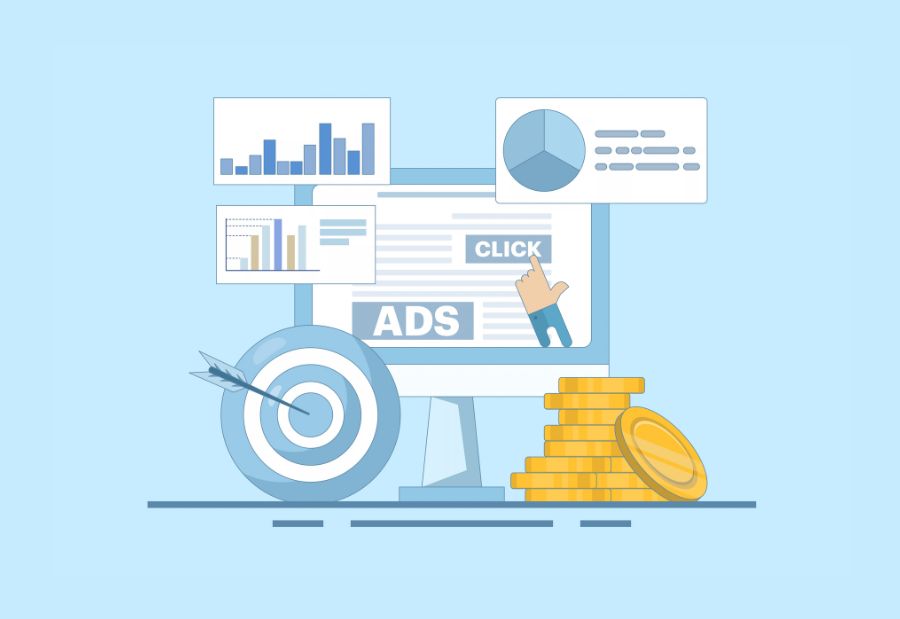
Last-click attribution gives 100% of the conversion credit to the final marketing touchpoint before a customer completes an action.
For example, a prospect may discover a company through organic search, read several blog posts, attend a webinar, receive an email, and later click a paid advertisement before submitting a form. Under a last-click model, the advertisement may receive all the conversion credit.
The model is easy to understand, but it can overlook the earlier interactions that helped build awareness and interest.
Why is last-click attribution becoming less useful?
Modern customer journeys are rarely linear. Buyers can interact with a business through several channels before becoming a lead or customer.
A prospect might:
- Discover a brand through search
- Read educational content
- Watch a webinar
- Engage with social media
- Return through an email
- Speak with sales
- Finally convert through a landing page
If businesses only measure the final interaction, they may underestimate the contribution of earlier marketing activities.
This makes marketing attribution increasingly important for understanding how different touchpoints work together.
How multi-touch attribution provides more context
Multi-touch attribution considers several interactions throughout the customer journey instead of focusing only on the final click.
For example, a business could analyze how organic search, content marketing, email, paid advertising, webinars, and social media contributed to a conversion.
This approach can help marketing teams understand which channels assist discovery, engagement, consideration, and conversion.
It also provides a broader view of campaign performance rather than treating every conversion as the result of one final interaction.
How better attribution can improve marketing decisions
A broader attribution approach can help teams make better decisions about budgets, campaigns, and content.
If organic content frequently contributes to conversions but rarely receives last-click credit, a business may undervalue its SEO investment. Similarly, webinars or social content may influence prospects earlier in the buying journey without directly generating the final conversion.
Understanding these patterns can help businesses allocate resources based on the wider customer journey.
However, attribution should not be treated as a perfect measurement system. Different models can produce different results, and businesses should combine attribution data with other performance indicators.
What should marketing teams measure?
A useful measurement framework can include:
- First-touch interactions
- Lead-generation touchpoints
- Content engagement
- Website behaviour
- Email engagement
- Assisted conversions
- Conversion rates
- Customer acquisition cost
- Pipeline contribution
Combining these metrics can provide a more complete view of marketing performance.
Final Thought
Last-click attribution can still provide a simple view of conversion activity, but it may not explain everything that happens before a customer takes action. As customer journeys become more complex, marketing attribution needs to consider multiple interactions and stages.
Moving beyond last-click measurement can help businesses better understand how their marketing channels work together, identify valuable customer touchpoints, and make more informed decisions about future campaigns.
About The Author
