How Can Businesses Leverage LinkedIn’s Growing User Base for B2B Marketing in 2026?
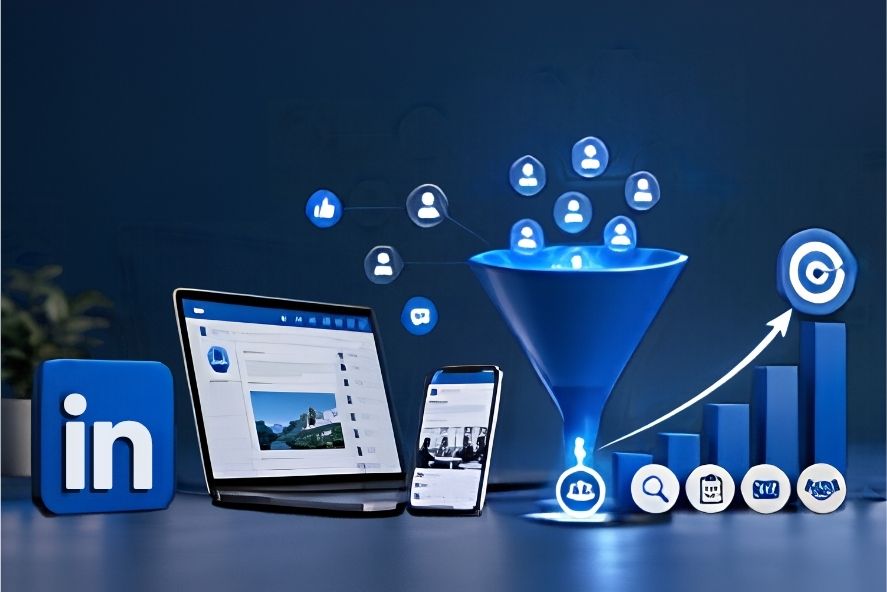
LinkedIn offers businesses valuable opportunities to connect with decision-makers, share industry insights, and build professional relationships. In 2026, LinkedIn B2B marketing 2026 focuses on reaching the right audience, building trust and generating quality leads. Companies like HubSpot and Cisco use LinkedIn to share industry insights and engage professional audiences. Mercadeo helps businesses strengthen their B2B marketing efforts through effective digital marketing strategies.
Why is LinkedIn important for B2B marketing in 2026?
LinkedIn offers businesses access to professionals across industries, job roles and regions. This makes it useful for companies that want to reach marketing leaders, technology decision-makers, sales teams and senior management.
Unlike platforms focused mainly on personal entertainment, LinkedIn supports professional discussions, industry learning, recruitment and business networking. These activities create opportunities for brands to demonstrate their knowledge and connect with potential customers.
A well-planned LinkedIn marketing strategy can help businesses improve brand awareness, engage relevant audiences, promote their services and support lead generation. However, results depend on the quality of the content, audience targeting and consistency of the marketing effort.
5 Ways to leverage LinkedIn’s growing user base
1. Create Content That Solves Business Problems
B2B buyers often research challenges and possible solutions before contacting a service provider. Businesses can use LinkedIn to share content that answers common questions and helps professionals make informed decisions.
Useful content formats include:
- Short posts explaining industry challenges
- Practical guides and checklists
- Case studies showing measurable outcomes
- Document posts and carousels explaining complex topics
- Videos featuring subject-matter experts
For example, a B2B marketing company can share tips on improving lead quality, reducing campaign waste, or measuring marketing performance. Helpful content gives potential customers a reason to follow the brand and engage with its expertise.
2. Reach the Right Decision-Makers
A large audience does not automatically produce better marketing results. Businesses need to focus on professionals who are likely to need their products or services.
LinkedIn allows marketers to refine campaign audiences using available professional attributes, such as job title, company, industry and seniority. These targeting options can help businesses reach relevant groups rather than spending their budgets on broad audiences.
Before launching a campaign, define the ideal customer profile, identify relevant job roles and understand the challenges those professionals face. This makes B2B marketing on LinkedIn more focused and helps improve the relevance of campaigns.
3. Use Employee Advocacy to Expand Reach
Company pages are useful for sharing official updates, but employees can also help distribute business content. When team members share their professional experiences, industry knowledge and company updates, they can introduce the brand to additional relevant networks.
Businesses can support employee advocacy by providing useful content ideas, encouraging employees to share their own perspectives and making it easy to access approved resources.
The aim should not be to make every employee publish identical messages. Authentic professional insights are more likely to encourage meaningful conversations than repeated promotional posts.
4. Combine Organic Content With LinkedIn Advertising
Organic content helps businesses build familiarity over time, while paid campaigns can support more specific reach and lead generation goals.
For example, a company launching a webinar could publish organic posts to build interest and use LinkedIn advertising to reach professionals in selected industries or roles. Lead generation campaigns can also promote relevant resources, event registrations, or consultation offers.
Businesses should test different messages, creative formats, audience segments and calls to action. Campaign performance should be assessed through relevant outcomes, including qualified leads and sales opportunities, rather than impressions alone.
5. Measure Engagement and Lead Quality
A strong LinkedIn marketing strategy requires regular performance reviews. Follower growth and engagement can indicate whether content is attracting attention, but they do not always show whether marketing is contributing to business growth.
Track metrics based on campaign objectives, including:
- Audience growth: Changes in followers and relevant audience reach.
- Engagement rate: Interactions relative to impressions or another consistently defined measurement.
- Website traffic: Visits from LinkedIn to important service and landing pages.
- Lead conversion rate: The share of leads that complete a desired action.
- Lead quality: How closely generated leads match the ideal customer profile.
- Sales opportunities: Qualified opportunities influenced by LinkedIn activities.
Review these metrics regularly to identify which topics, formats and campaigns generate the most valuable results.
Common LinkedIn marketing mistakes to avoid
Businesses may struggle to get results when they focus only on follower numbers, publish overly promotional content, or target audiences without a clear strategy. Inconsistent posting and slow responses to relevant comments can also limit engagement.
Another common mistake is treating every interaction as a sales opportunity. B2B relationships usually develop over time, so marketers should provide value before pushing for a meeting or purchase.
A better approach combines useful content, targeted campaigns, timely follow-ups and ongoing measurement. This helps businesses build credibility while creating a clearer path from audience engagement to potential sales.
How can Mercadeo help businesses improve LinkedIn Marketing?
Businesses need a coordinated approach to connect LinkedIn activity with wider marketing goals. Mercadeo supports B2B marketing through integrated marketing services, including lead generation, strategic campaigns, digital marketing and sales enablement.
By aligning content with audience needs and campaign objectives, businesses can build stronger connections with potential customers. Connecting marketing activity with lead qualification and sales follow-up also helps teams understand which efforts contribute to meaningful opportunities.
Final Thought
LinkedIn offers B2B marketers opportunities to reach professionals, demonstrate industry knowledge and develop relationships with potential customers. In 2026, businesses should focus on relevant content, precise audience targeting, employee advocacy and measurable campaign outcomes instead of chasing audience growth alone.
A well-planned LinkedIn B2B marketing 2026 strategy can help companies improve brand awareness, generate more relevant leads and support long-term business growth. With consistent execution and regular performance analysis, LinkedIn can become a valuable part of a wider B2B marketing strategy.
About The Author
