How Can Businesses Prepare for AI-Powered Customer Decision-Making?
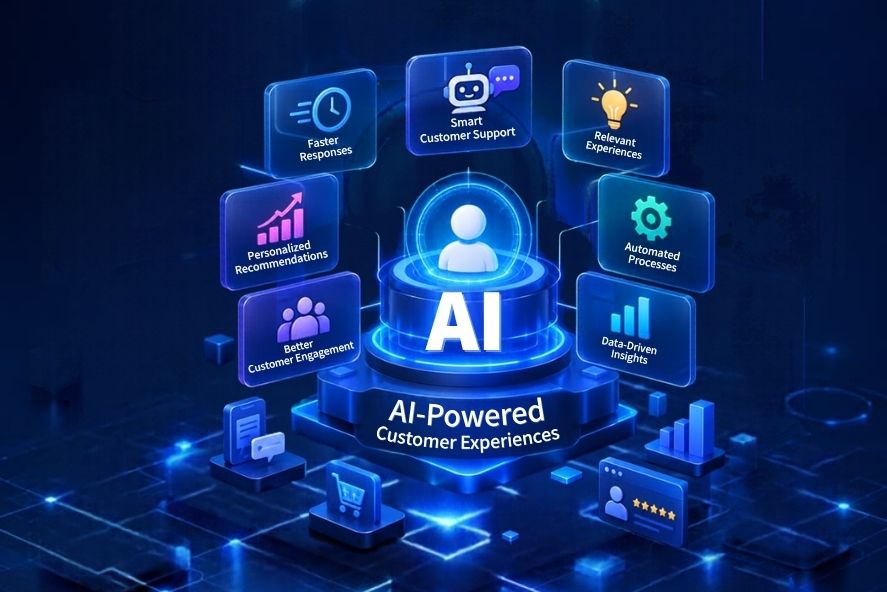
Artificial intelligence is changing how customers discover products, compare services, and evaluate businesses. Platforms and tools from companies like Microsoft and Salesforce are bringing AI into everyday business workflows. For Mercadeo, AI-powered customer decision-making is an important area for businesses seeking to improve customer engagement, marketing relevance, and lead generation.
What is AI-powered customer decision-making?
AI-powered customer decision-making refers to the use of artificial intelligence to help customers research options, compare solutions, and make purchasing decisions. Customers may use AI assistants to summarise information, explore alternatives, or find answers to specific questions before contacting a company.
For B2B businesses, this changes how potential buyers discover service providers. A prospect may evaluate several companies using online research and AI-generated recommendations before visiting a website or speaking with a sales representative.
Businesses therefore need to make their information clear, useful, accurate, and easy to understand across digital channels.
Why Should Businesses Prepare for AI-Powered Buying Journeys?
1. Understand How Customers Research Solutions
Customers may use search engines, AI assistants, social media, review platforms, and company websites during their research. Businesses should understand the questions buyers ask at each stage of the purchasing journey.
For example, someone looking for a B2B lead generation service may first research common lead generation challenges, then compare service providers, and finally evaluate pricing or request a consultation.
Marketing teams can use customer interviews, website search data, sales conversations, and frequently asked questions to identify these needs. This information helps businesses create content that supports customers throughout their decision-making process.
2. Create Clear and Helpful Content
AI tools can summarise information from available digital sources, making clear and well-organised content valuable for both readers and discoverability.
Businesses should publish content that answers real customer questions. Useful formats include service explanations, comparison guides, case studies, practical checklists, and articles addressing common industry challenges.
Content should explain what a company offers, who its services are for, what problems it solves, and how its approach differs from alternatives. Accurate information and specific examples can help potential customers assess whether a business meets their needs.
3. Strengthen Brand Credibility
Customers need reliable information before making important purchasing decisions. Businesses can build credibility by maintaining accurate website content, sharing relevant expertise, and presenting genuine customer experiences.
Keep service pages, company details, case studies, and contact information up to date. Where appropriate, include verifiable results, customer testimonials, and examples of completed work.
Avoid unsupported claims or exaggerated promises. Consistent, trustworthy information helps customers evaluate a business with greater confidence.
4. Personalise Marketing Without Losing Relevance
AI can help marketing teams organise customer data, identify patterns, and tailor messages to different audience segments. However, personalisation should be based on relevant information and genuine customer needs.
For example, a business targeting technology leaders may share content about operational challenges, while its content for marketing leaders may focus on lead quality and campaign performance.
Businesses should use customer information responsibly, respect privacy requirements, and avoid sending messages that feel intrusive. The goal is to provide useful information rather than overwhelm prospects with automated communication.
5. Connect Marketing Insights With Sales Conversations
AI-assisted research may mean that prospects contact a company after completing much of their initial evaluation. Sales teams should be prepared to answer detailed questions about services, implementation, costs, and expected outcomes.
Marketing teams can support these conversations by creating clear service documents, case studies, comparison resources, and answers to common objections.
Mercadeo helps businesses strengthen their B2B marketing efforts through lead generation, digital marketing, strategic campaigns, and sales enablement. Connecting useful content with timely follow-up can help businesses respond more effectively to informed prospects.
How Can Businesses Measure Their Readiness?
Businesses should assess whether their digital content and customer journey support informed decisions. Useful areas to review include:
- Content relevance: Does website content answer the questions potential customers ask?
- Brand visibility: Can customers find accurate company information across relevant digital channels?
- Lead quality: Are enquiries coming from prospects who match the target audience?
- Conversion rate: Are website visitors taking meaningful actions, such as requesting a consultation?
- Sales feedback: Do prospects arrive with clear expectations about the company’s services?
Reviewing these indicators helps teams identify content gaps and improve the customer experience. Businesses should also monitor changes in referral traffic and enquiries from different discovery channels without assuming that every AI-related interaction will be directly measurable.
Final Thought
AI-powered customer decision-making is changing how people research and evaluate businesses. Companies that provide clear information, demonstrate credibility, and address customer needs can make it easier for prospects to understand their value.
By improving content quality, responsible personalisation, and coordination between marketing and sales, businesses can prepare for changing buying journeys. Mercadeo supports these efforts through integrated marketing services designed to connect customer engagement with relevant leads and business growth.
About The Author
